Hong Kong’s 2026 Tax Shake-Up: Attracting Global Finance Talent and Boosting the Property Market
Hong Kong is advancing a major overhaul of its preferential tax regimes for funds, family offices and carried interest. The Inland Revenue (Amendment) (Preferential Tax Regimes for Funds, Family-owned Investment Holding Vehicles and Carried Interest) Bill 2026, gazetted in June 2026 and progressing through the Legislative Council, aims to reinforce the city’s position as Asia’s leading international asset and wealth management centre.
These measures, often described as a potential “big bang” of tax reforms, expand tax exemptions and concessions with retrospective effect from the year of assessment 2025/26 (from 1 April 2025) once enacted. For Hong Kong’s property sector, the reforms are expected to support stronger demand in both sales and rentals as high-earning finance professionals and ultra-high-net-worth individuals establish or expand their presence in the city.
Key Elements of the 2026 Preferential Tax Regimes
The Inland Revenue (Amendment) (Preferential Tax Regimes for Funds, Family-owned Investment Holding Vehicles and Carried Interest) Bill 2026 enhances three interconnected regimes under the Inland Revenue Ordinance.
Unified Fund Exemption (UFE) for Privately Offered Funds
The definition of a “fund” is broadened to include pension funds, endowment funds, certain sovereign or international organisation arrangements, and “funds-of-one” structures meeting a minimum qualifying investment threshold. Qualifying investments expand significantly beyond traditional securities and private equity to cover private credit/loans, digital assets, immovable property situated outside Hong Kong, carbon credits and emission derivatives, insurance-linked securities, equity interests in non-corporate entities, precious metals and certain commodities. The previous 5% limit on profits from incidental transactions is removed. Economic substance requirements and tax reporting obligations are also introduced or aligned.
Family-owned Investment Holding Vehicles (FIHVs) Managed by Single Family Offices
Similar expansions of qualifying investments apply. Rules around special purpose entities are relaxed, and additional carve-outs from anti-round-tripping provisions improve practical usability for genuine family structures.
Carried Interest and Performance-Related Pay
Eligible carried interest benefits from profits tax exemption at the manager level and salaries tax concession for qualifying employees. The reforms remove the Hong Kong Monetary Authority certification requirement, eliminate the hurdle rate condition, and expand the scope of profits that can generate eligible carried interest. Benefits now extend beyond private equity to a much wider range of strategies, including hedge fund performance fees. Carried interest structured as a contractual share of fund profits can qualify for effective 0% treatment, subject to conditions.
The preferential tax regime applies only to eligible carried interest distributed by “funds” as defined in the Inland Revenue Ordinance. A business that trades or holds assets using proprietary capital with a view to generating profits on its own account (commonly referred to as a proprietary trading business) does not fall within the definition of a “fund”, and any remuneration distributed by such a business does not qualify for the tax concessions proposed in the Bill.
These changes reduce effective tax on performance income that would otherwise be subject to Hong Kong’s salaries tax (up to 15%) or profits tax (16.5%), positioning Hong Kong more competitively against other hubs for qualifying fund managers and family offices.
Industries and Sectors Advantaged by the Tax Reforms
The primary beneficiaries are private equity, venture capital and private credit managers; hedge funds and multi-strategy asset managers; and single family offices. Supporting professional services in legal, tax, compliance and operations will also benefit. The reforms support the continued growth of Hong Kong’s asset and wealth management industry.
Which Property Types and Locations Will See the Strongest Demand?
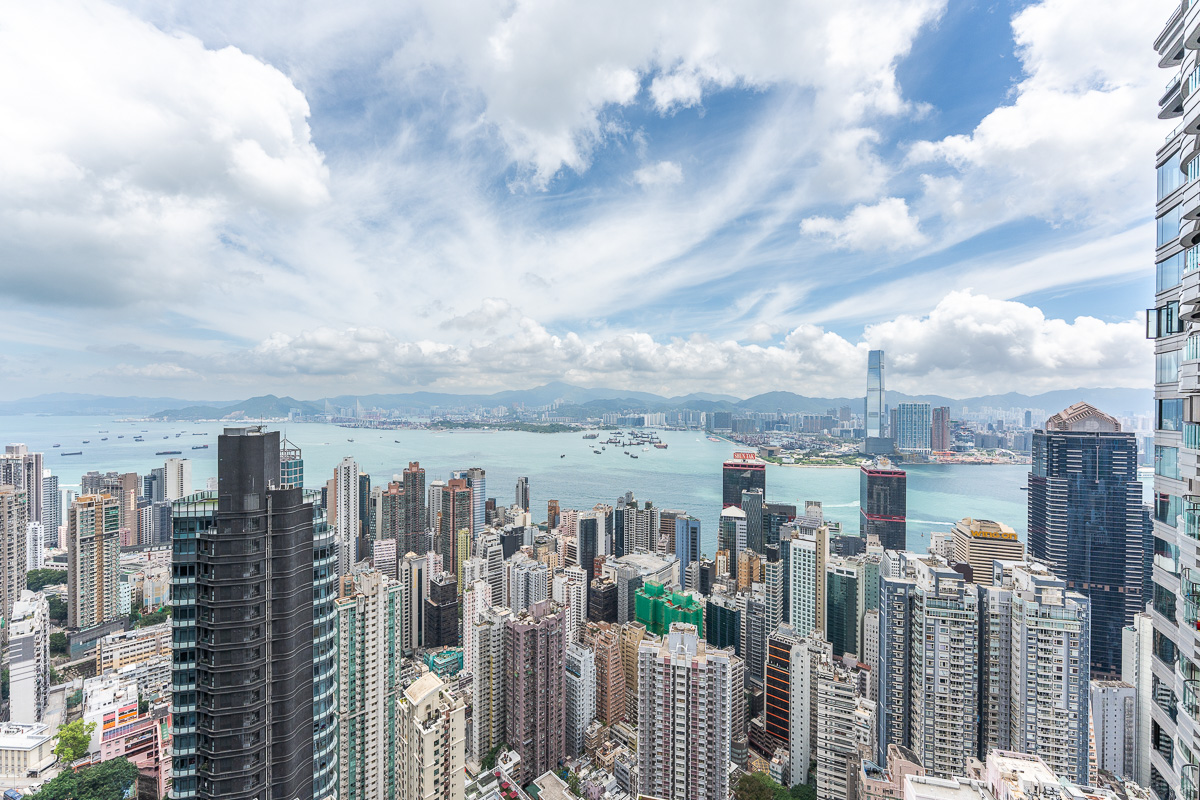
Inflows of high-income finance professionals and family office principals typically translate into stronger residential demand, particularly in established prime locations on Hong Kong Island.
Luxury Sales: Townhouses and Exclusive Developments
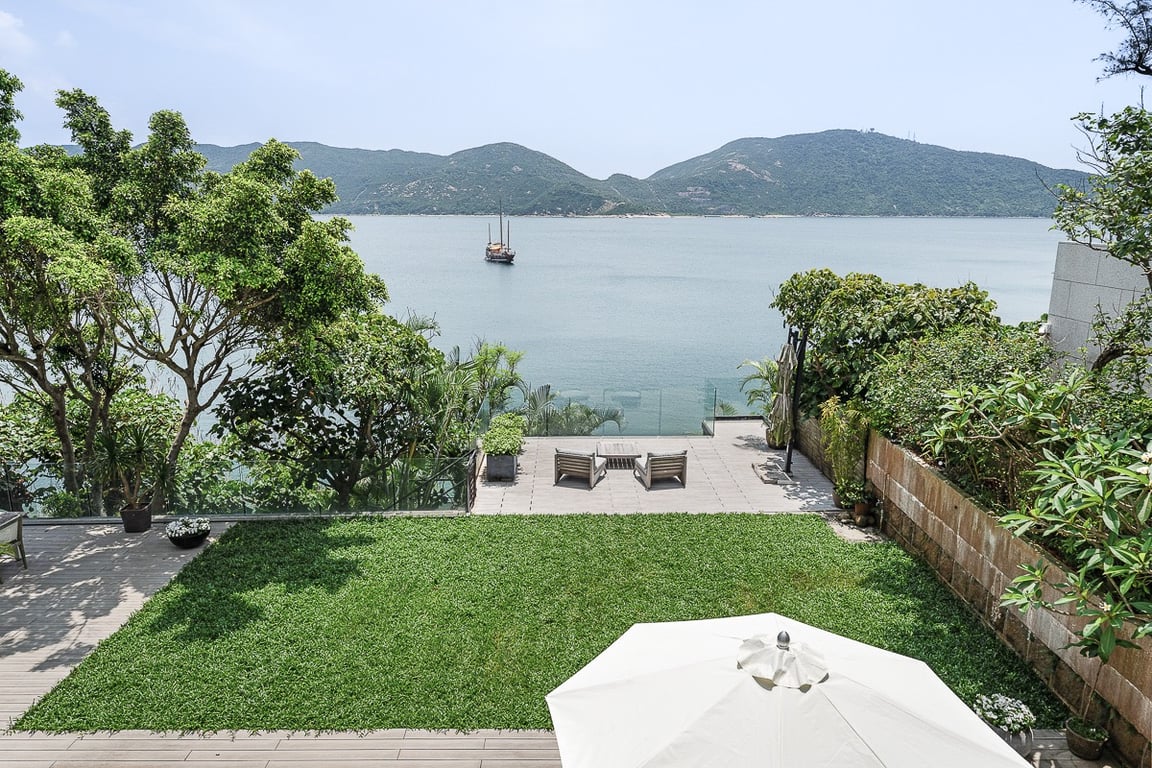
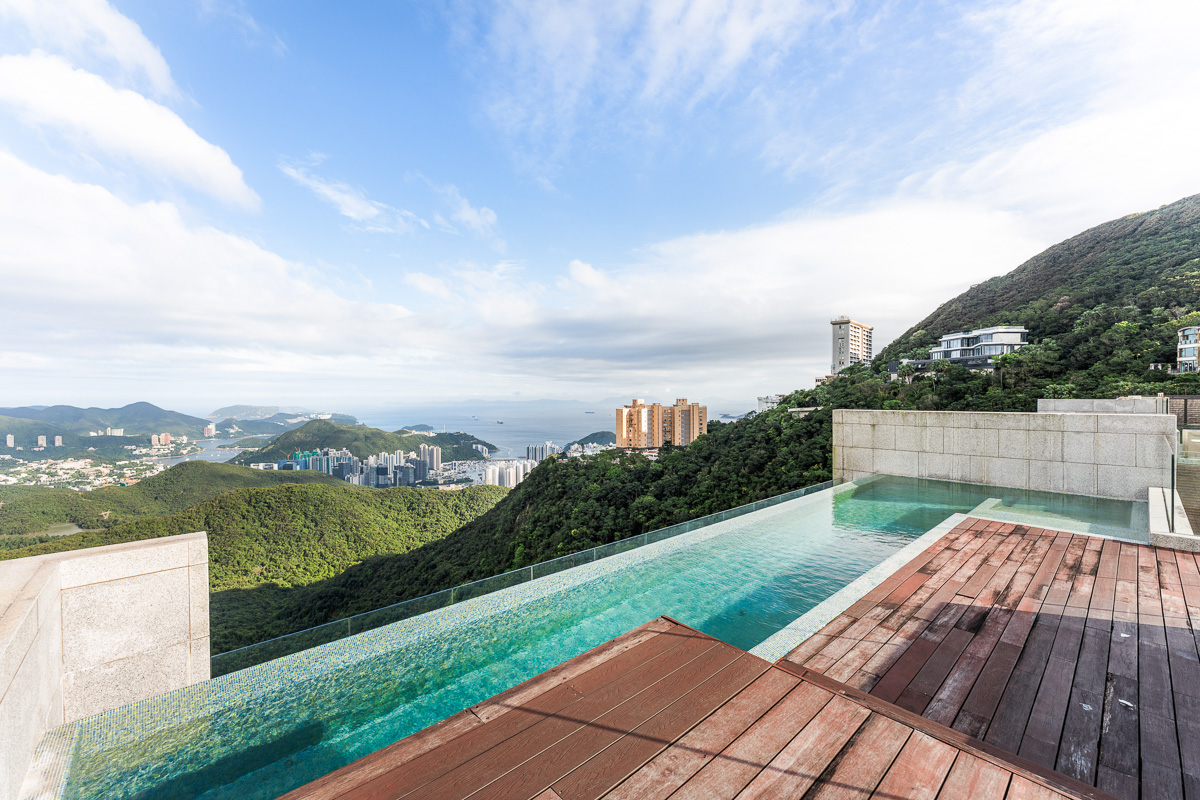
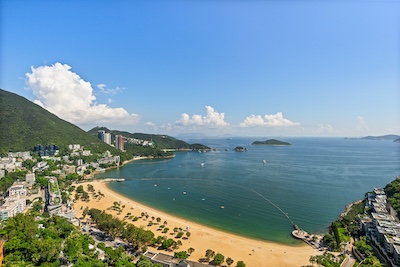
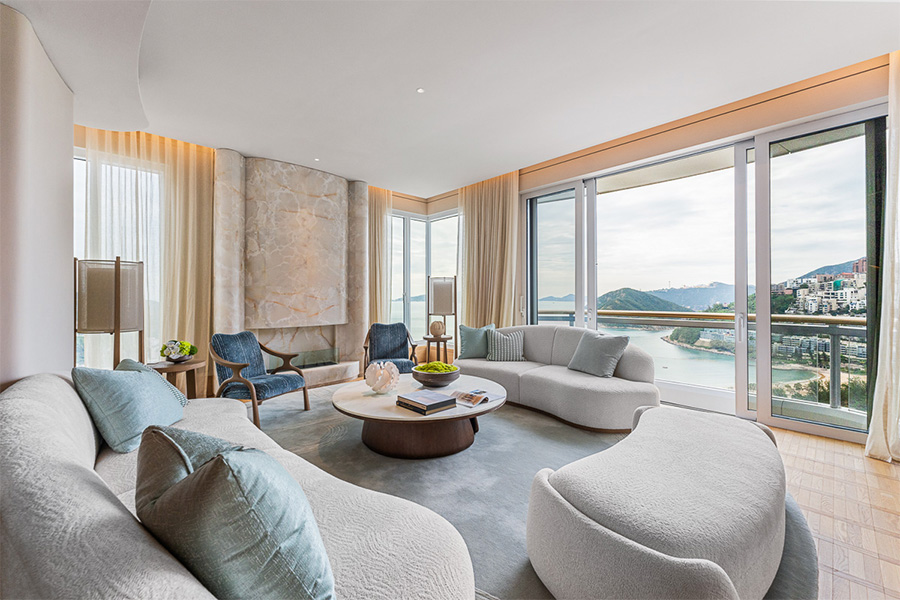
On the sales side, the reforms are expected to drive increased demand for luxury homes, with particular pressure on scarce townhouses in the most sought-after enclaves specifically Mid-levels Central, The South Side (specifically Shouson Hill, Repulse Bay, South Bay and Stanley) and The Peak. Relocating principals, senior managers and ultra-high-net-worth families often prioritise townhouses that offer space, privacy, gardens and a more relaxed lifestyle — assets that remain in tight supply within Hong Kong. This should further support prices and transaction activity for townhouses across the South Side (including Repulse Bay and surrounding areas), Stanley, The Peak as well as Mid-levels.
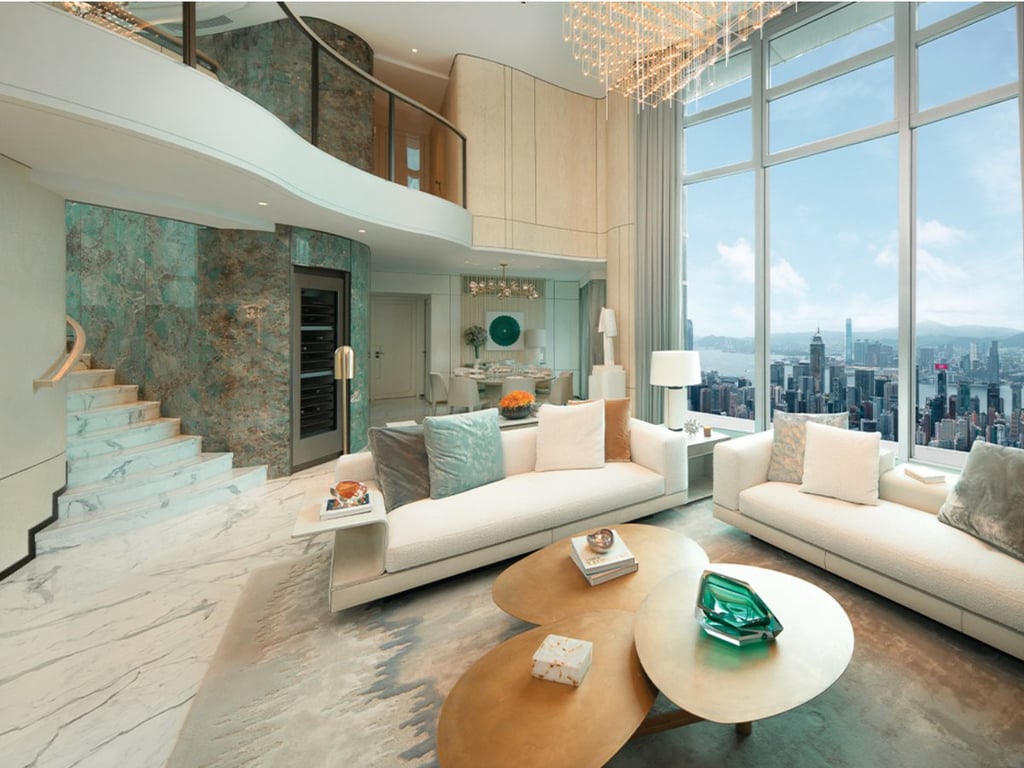
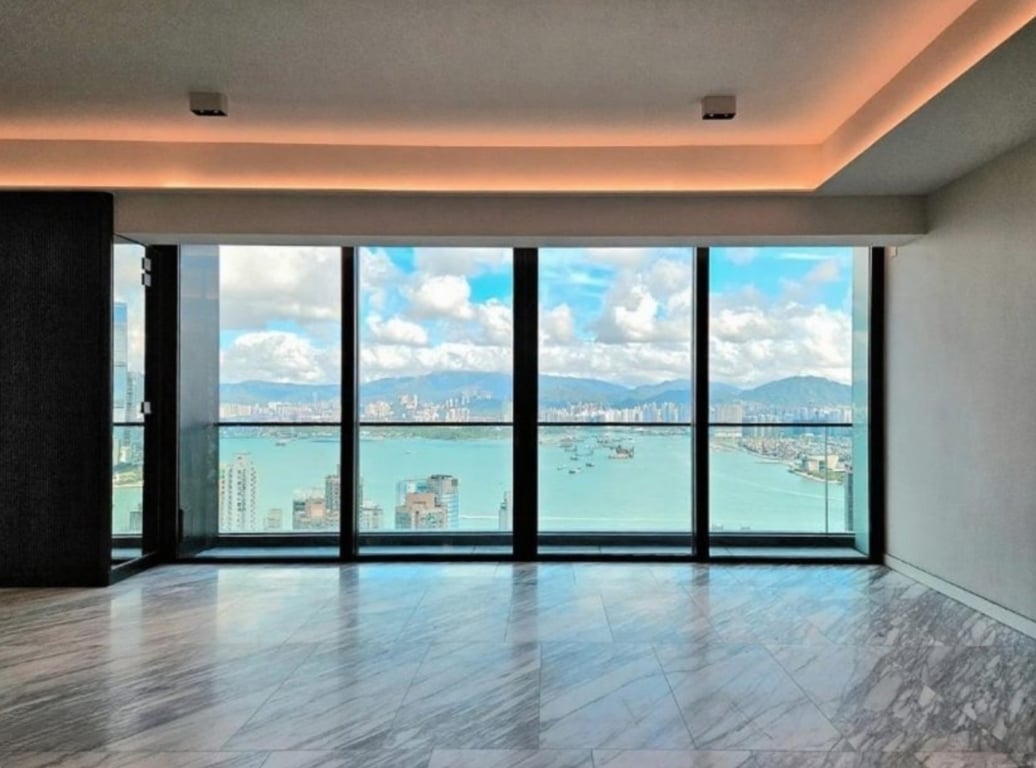
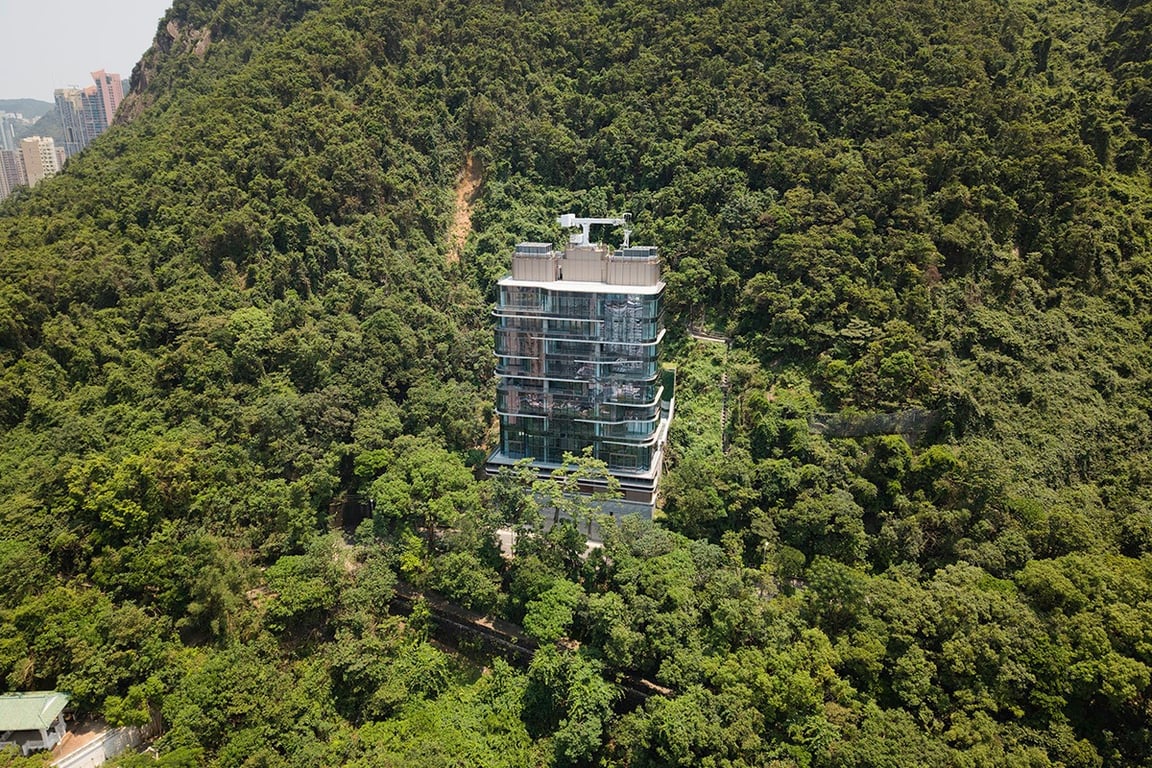
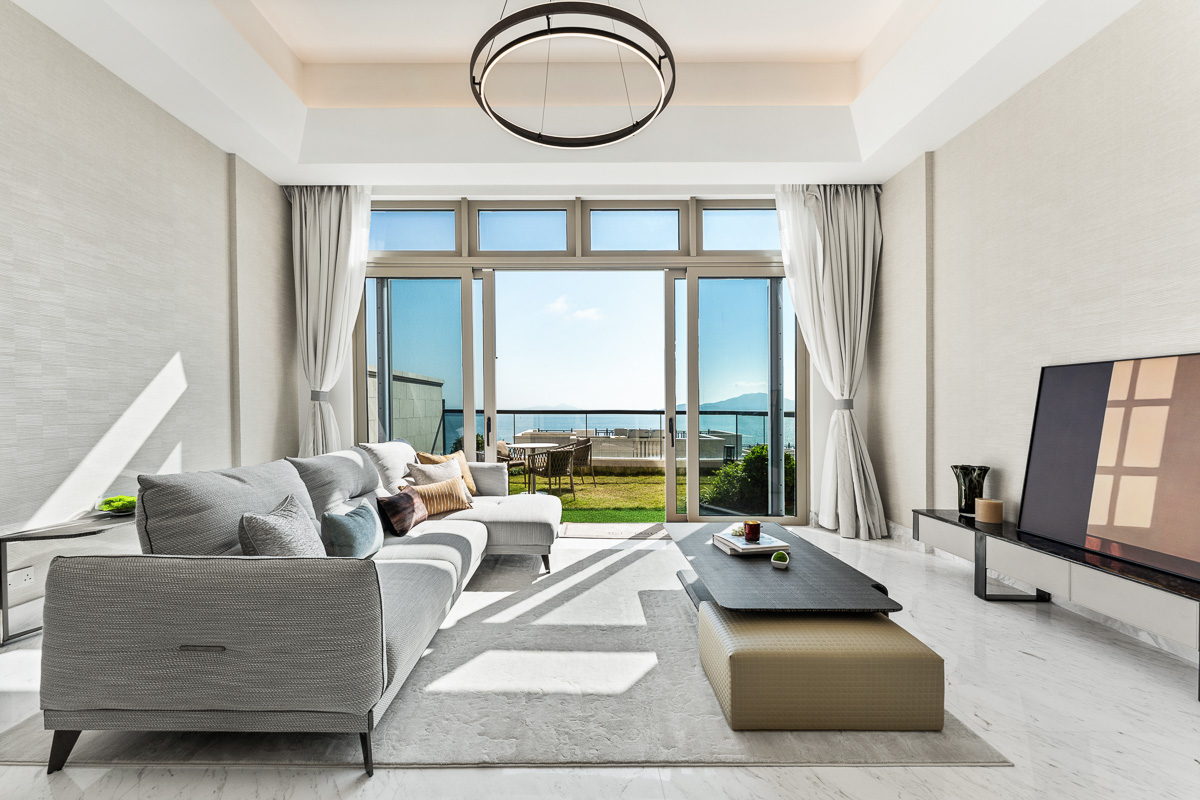
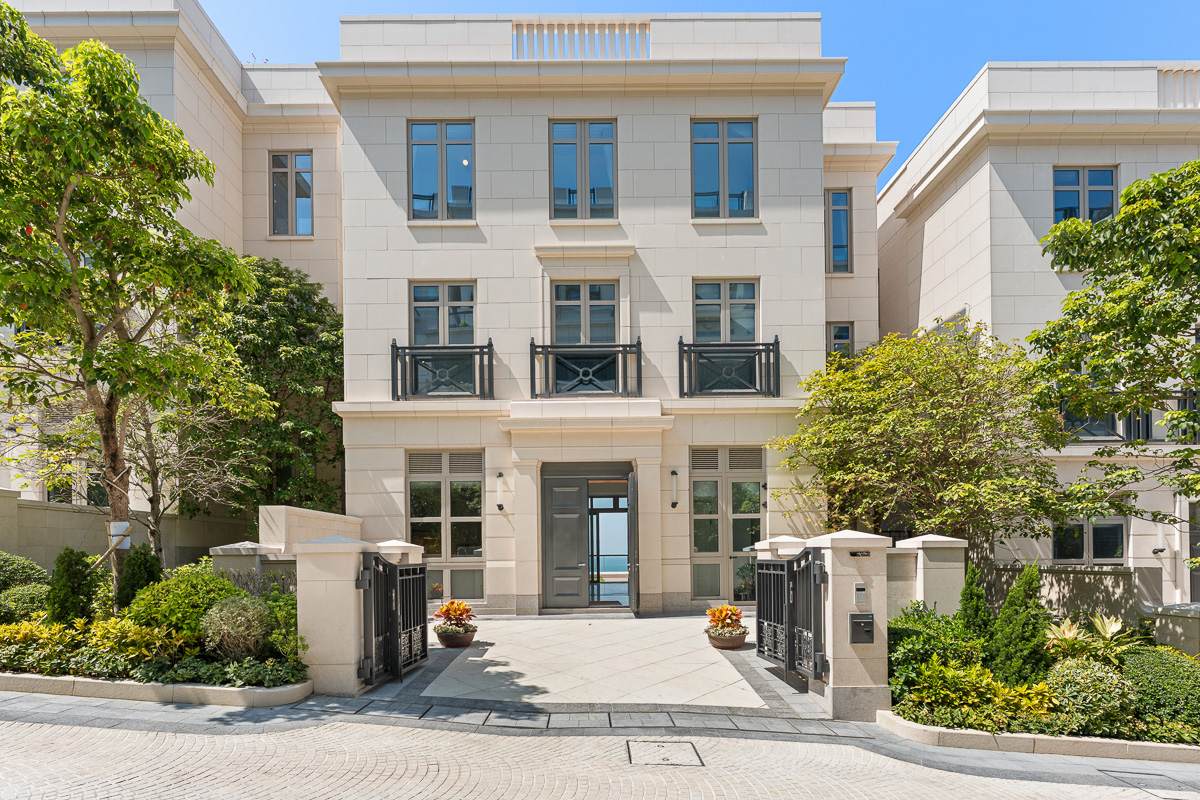
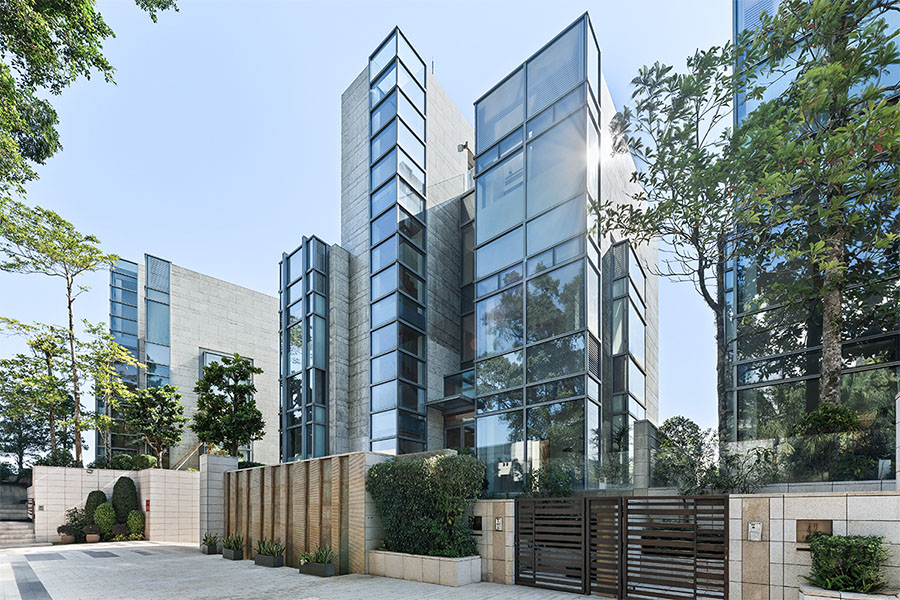
Notable examples of properties well-suited to this buyer profile include Verano at 125 Repulse Bay Road — an ultra-exclusive low-density development of just six duplex residences (approximately 3,957–4,022 sq ft) offering sweeping sea views, high end finished, and security. The Penthouse was recently sold to a HK Fund Manager for $327M. One Stanley, located at 128 Wong Ma Kok Road in Stanley, is a new development comprising 82 high end townhouses and 50 apartments all with spectacular views, beautiful high end finishes, a state of the art club house and security. In Mid-Levels, The Legacy at 8 Castle Road stands out as a striking new high-rise development featuring spacious units with high ceilings, private lift lobbies, Victoria harbour views and world-class facilities. High Peak, another high end development in Mid-levels has sold out of most of their lateral floor units. 21 Borrett road is currently very popular with Mainland clients moving or relocating back to Hong Kong for its high end finished and prime location. Beyond these, the tight inventory of genuine townhouses in Repulse Bay, Stanley, the broader South Side and The Peak is likely to see heightened competition from the new wave of finance and family-office talent seeking longer-term bases in Hong Kong.
Prime Rental Market Strength
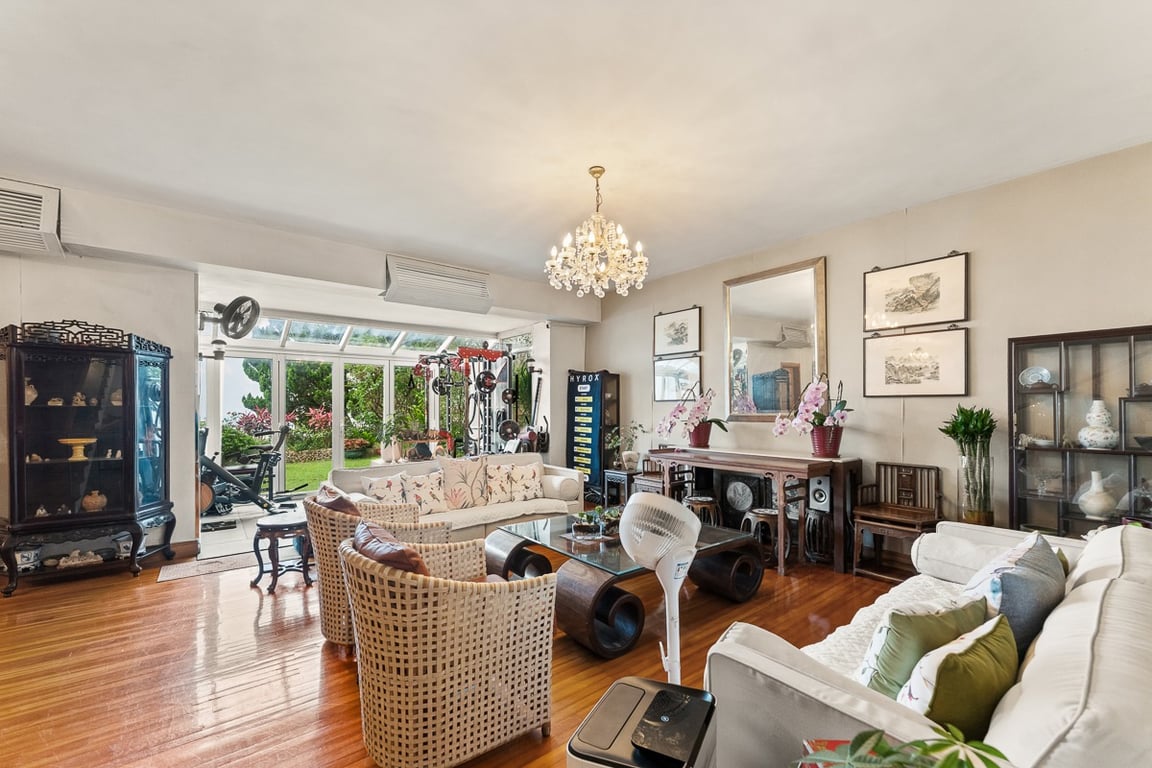
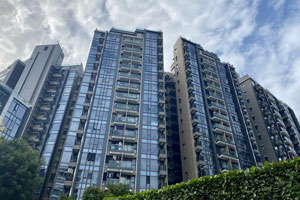
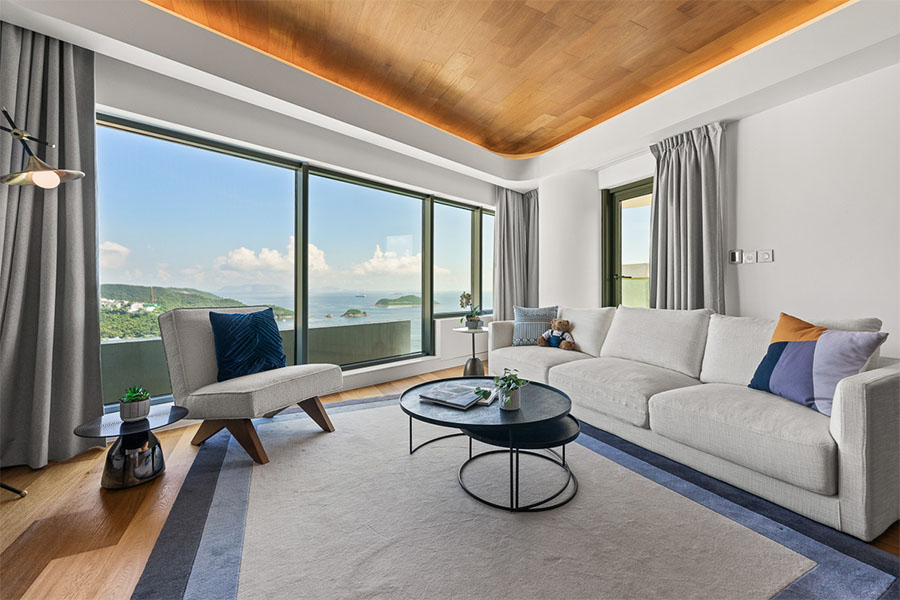
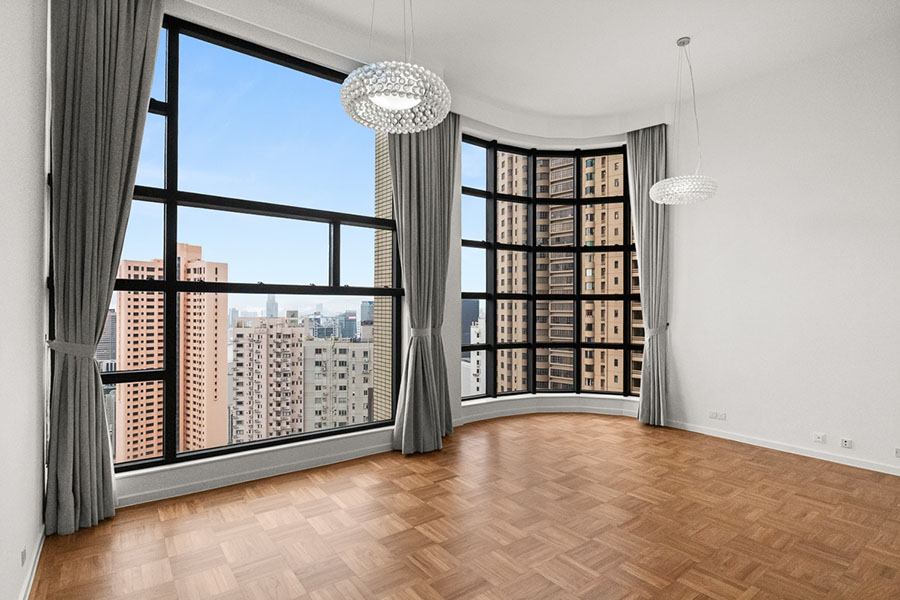
On the rental market, short- to medium-term demand is expected to remain robust. Many firms and individuals initially lease high-quality accommodation close to international schools while assessing permanent relocation. This continues to put upward pressure on rent levels, which have already moved up 15-20% this year in many prime segments, and has contributed to occupancy levels reaching record highs. A further rental movement up 10-15% is expected over the remainder of 2026 and into 2027. Examples include 101 and 109 Repulse Bay Road - both buildings currently have waiting lists and any unit that comes available for rent is now put to tender, often with several parties bidding, clients have to offer above asking price with no viewing, in order to secure the unit - such is the level of demand and tight occupancy space. Something that we have not seen in Hong Kong for over 20 years. Other buildings which are full with waiting lists on the South side include : 127 Repulse Bay Road, The Lilly, Burnside and 12A South Bay Road. A similar story of soaring rent levels and no availability is seen in Mid-levels. Buildings such as Queen’s Garden, Branksome Grande, Aigburth, Dynasty Court and Tavistock are all full with waiting lists. These blocks have all benefited from strong tenant demand driven by finance professionals, family office staff and relocating executives relocating back to Hong Kong all of which are seeking proximity to key international schools, spacious layouts, views and lifestyle amenities not just limited to what's on offer in the building but access to local hiking trails, beaches and local restaurants.
Commercial office demand in core financial areas may also firm as funds expand headcount. Overall, the talent and capital attraction effect complements other policy drivers and reinforces Hong Kong’s appeal as a liveable, low-tax international city.
Types of Clients and Professionals Likely to Relocate
The reforms are expected to draw portfolio managers, investment professionals and traders from Singapore, London, New York and other centres; principals and senior staff of single family offices (including European and Asian ultra-high-net-worth families); teams from hedge funds, private equity and private credit firms; and supporting talent in legal, accounting, compliance and operations roles. These high-earning individuals and families typically have strong purchasing power for both rental and ownership markets and value Hong Kong’s proximity to mainland opportunities, deep financial markets, international schools and lifestyle amenities.
Looking Ahead: Implications for Hong Kong’s Luxury Property Market
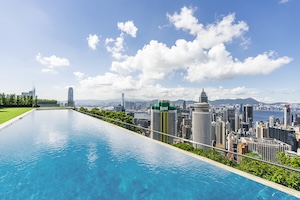
Once enacted, the enhanced regimes under the Inland Revenue (Amendment) (Preferential Tax Regimes for Funds, Family-owned Investment Holding Vehicles and Carried Interest) Bill 2026 will apply retrospectively, giving early movers clarity. For Hong Kong’s property market, the combination of tax competitiveness and targeted inflows of sophisticated buyers and tenants creates a constructive backdrop, supporting both sales opportunities in exclusive developments such as Verano and The Legacy, heightened demand for scarce townhouses in Stanley, the South Side and The Peak, and continued strength in prime rentals where occupancy is already at record highs.
At Habitat Property we specialise in matching discerning clients, whether relocating finance professionals, family office principals or investors with the right residential opportunities across Hong Kong’s prime districts, covering both the complex sales and rental markets. The evolving tax landscape underscores the city’s renewed focus on remaining a top-tier global financial centre, with corresponding opportunities in the housing market.
.
For tailored advice on current listings, market conditions or relocation requirements, contact the Habitat Property team.
Frequently Asked Questions about Hong Kong’s 2026 Tax Reforms
What is the official name of the 2026 Hong Kong tax reform bill?
The official name is the Inland Revenue (Amendment) (Preferential Tax Regimes for Funds, Family-owned Investment Holding Vehicles and Carried Interest) Bill 2026. It was gazetted in June 2026 and is progressing through the Legislative Council.
When will the new tax concessions take effect?
Once enacted, the enhanced tax exemptions and concessions will apply retrospectively from the year of assessment 2025/26, beginning 1 April 2025.
Which investment vehicles benefit most from the reforms?
The main beneficiaries are privately offered funds under the expanded Unified Fund Exemption, Family-owned Investment Holding Vehicles (FIHVs) managed by single family offices, and eligible carried interest arrangements for fund managers and qualifying employees.
How does the Bill change the treatment of carried interest?
The reforms remove the previous Hong Kong Monetary Authority certification requirement and the hurdle rate condition. Eligible carried interest can now qualify for profits tax exemption at the manager level and salaries tax concession for employees, with benefits extended beyond private equity to a wider range of strategies, including hedge fund performance fees.
Will the tax reforms increase demand for luxury property in Hong Kong?
Yes. The expected inflow of high-earning finance professionals, portfolio managers, family office principals and ultra-high-net-worth individuals is anticipated to strengthen demand for both luxury sales and rentals (Especially scarce townhouses and large apartments on the South Side, including Shouson Hill, Repulse Bay, South Bay and Stanley) as well as Mid-Levels Central and The Peak.
Which specific property types and locations are expected to see the strongest impact?
Townhouses and low-density residences in Repulse Bay, Stanley,South Bay, Shouson Hill, Mid-levels and The Peak are expected to experience heightened competition. Exclusive developments such as Verano at 125 Repulse Bay Road, One Stanley at 128 wong Ma Kok Road and developments in Mid-levels including The Legacy at 8 Castle Road, 21 Borrett Road and High Peak are also well positioned to attract relocating principals and senior finance talent.
Prime rental buildings south Side including 101 and 109 Repulse Bay Road, 127 Repulse Bay Road, The Lily and low rise townhouse complexes such as Burnside are seeing huge demand and rental levels that reflect that. Mid-levels Central is also seeing huge demand in buildings such as Queen’s Garde, Branksome Grande, Aigburth, Dynasty Court and Tavistock that are full with waiting lists.
How much are rents to expected to rise in 2026?
Rental are forecast to rise another 10-15% over 2026 reflecting an annual 20-30 % rise in rental levels within some buildings in 2026.
Do proprietary trading businesses qualify for the new carried interest concessions?
No. A business that trades or holds assets using proprietary capital for its own account does not fall within the definition of a “fund” under the Inland Revenue Ordinance. Remuneration distributed by such businesses does not qualify for the tax concessions in the Bill.
How can relocating finance professionals or family office principals find suitable housing in Hong Kong?
Specialist agencies such as Habitat Property assist discerning clients in securing the right residential opportunities across Hong Kong’s prime districts, including both sales and rental options tailored to the needs of finance and family office talent.
Given the complex and fast moving nature of the Hong Kong property market for both rental and sales its critical to work with an experienced agent such as Habitat Property for the latest market information.