As of mid-April 2026, Hong Kong’s residential property market continues its recovery trajectory from 2025. Momentum has moderated slightly from the strong January–February start, yet overall sentiment remains positive. Private home prices rose for the ninth consecutive month in February, climbing 1.6% month-on-month according to the Rating and Valuation Department (RVD), bringing year-to-date gains to around 2.6–7.7% depending on the index and segment.
Q1 2026 residential sale-and-purchase agreements are estimated at 13,500–18,650 units — up 10–20% quarter-on-quarter and as much as 53% year-on-year in some agency reports. Primary sales continue to lead the rebound, while secondary activity benefits from improved buyer sentiment, stable borrowing costs, and supportive government policies. Ultra-luxury segments have cooled modestly following the February 2026 stamp duty increase on properties above HK$100 million (from 4.25% to 6.5%).
Sales Volumes: Primary-Led Rebound with Strong Q1 Performance
Q1 2026 delivered solid transaction growth despite selective price softness in the secondary market. February alone recorded 6,669 residential transactions (2,567 primary and 4,102 secondary), with total consideration reaching HK$57.6 billion — a surge of over 108% year-on-year.
Primary market activity has been particularly robust. Developers are offering competitive pricing and flexible payment terms, resulting in strong sales of new launches in the mass-market segment (especially units under HK$8–10 million) in Kowloon and the New Territories. Secondary volumes have also risen, although buyers remain price-sensitive, leading to wider negotiation margins in some estates.
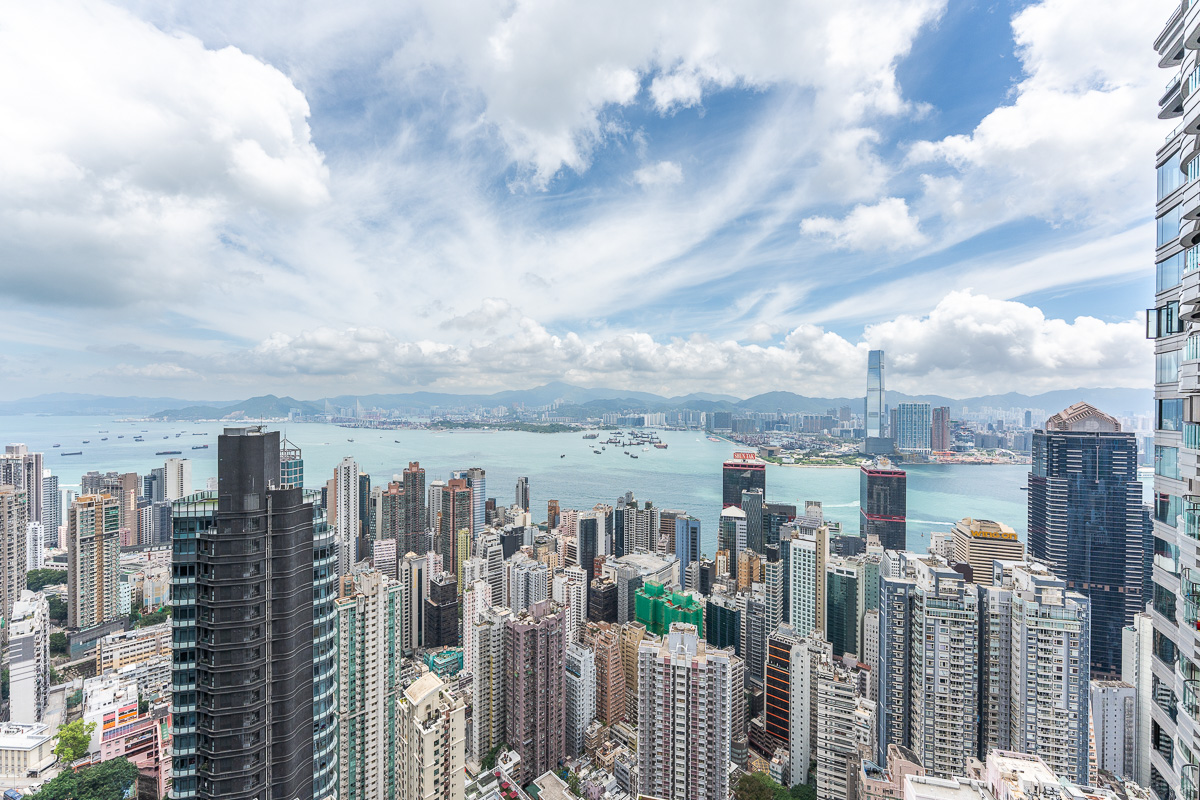
Regionally, the New Territories and Kowloon lead in transaction volume thanks to affordable entry-level and mid-tier stock. Hong Kong Island sees more selective activity concentrated in mid-luxury segments. Mortgage applications remain healthy, supported by competitive fixed-rate plans from banks (e.g., Hang Seng at 2.73% for the first three years). One-month HIBOR has stabilised around 1.95–2.35% in March, keeping borrowing costs supportive.
Supply Dynamics and Future Completion
According to RVD preliminary data, private residential completions totalled 18,450 units in 2025 (down 24% from 2024). Forecasts point to further contraction: approximately 16,980 units in 2026 and 15,360 in 2027. This tightening supply pipeline supports longer-term price resilience.
Unsold completed inventory currently stands at around 21,000–23,000 units. Private home vacancy rates have dipped to about 4.3%, reflecting steady absorption. Land disposal trends indicate even tighter supply conditions emerging in 2027–28.
Purchaser Profiles: Local Buyers Dominate Mass Market; Mainland and Returnee Interest Strong
Local end-users, first-time buyers, and upgraders continue to anchor the mass and mid-market segments (properties below HK$15 million). The 2025 stamp duty relief for units under HK$4 million has sustained momentum in this segment. Young families and participants in the Top Talent Pass Scheme drive demand for smaller units near employment and education hubs.
Mainland Chinese buyers remain influential, particularly in primary sales and higher-value properties. They accounted for a significant share of Q1 activity, with transaction volume up 53% year-on-year and value surging even more sharply. In the luxury segment, mainland purchasers have historically represented 70–80% of deals above HK$100 million, although activity moderated slightly after the stamp duty adjustment.
Foreign (non-mainland) and overseas Hong Kong returnee interest has also edged higher, supported by attractive rental yields and limited rental supply.
Rental Supply and Upward Pressure on Hong Kong Island Rents
Occupancy rates for rental properties have reached an all-time high, pushing rental prices on Hong Kong Island to record levels. A sustained influx of both mainland talent and returning expatriates/overseas Hong Kong residents is intensifying pressure across all rental segments — especially in premium districts.
In 2025, the Top Talent Pass Scheme (TTPS) recorded 31,508 approvals (with over 90–95% from the Chinese Mainland), while the Admission Scheme for Mainland Talents and Professionals (ASMTP) approved 26,714 applications (almost exclusively mainland). Combined with traditional One-way Permits (typically 25,000–32,000 annually), these schemes have delivered tens of thousands of new mainland professionals and families to Hong Kong over the past 12–18 months.
Simultaneously, a net inflow of 29,100 Hong Kong residents (inflow exceeding outflow) was recorded from end-2024 to end-2025, reflecting growing numbers of returning overseas Hong Kongers and non-mainland expatriates. Surveys also point to over 20,000–21,000 potential BN(O) returnees from the UK and elsewhere.
This strong rental demand is not only driving rents higher but is also encouraging many current tenants to transition from renting to purchasing. With mortgage rates stabilising and the cost gap between renting and buying narrowing in selected segments, an increasing number of renters are accelerating their home-ownership decisions to secure ownership and hedge against further rental escalation.
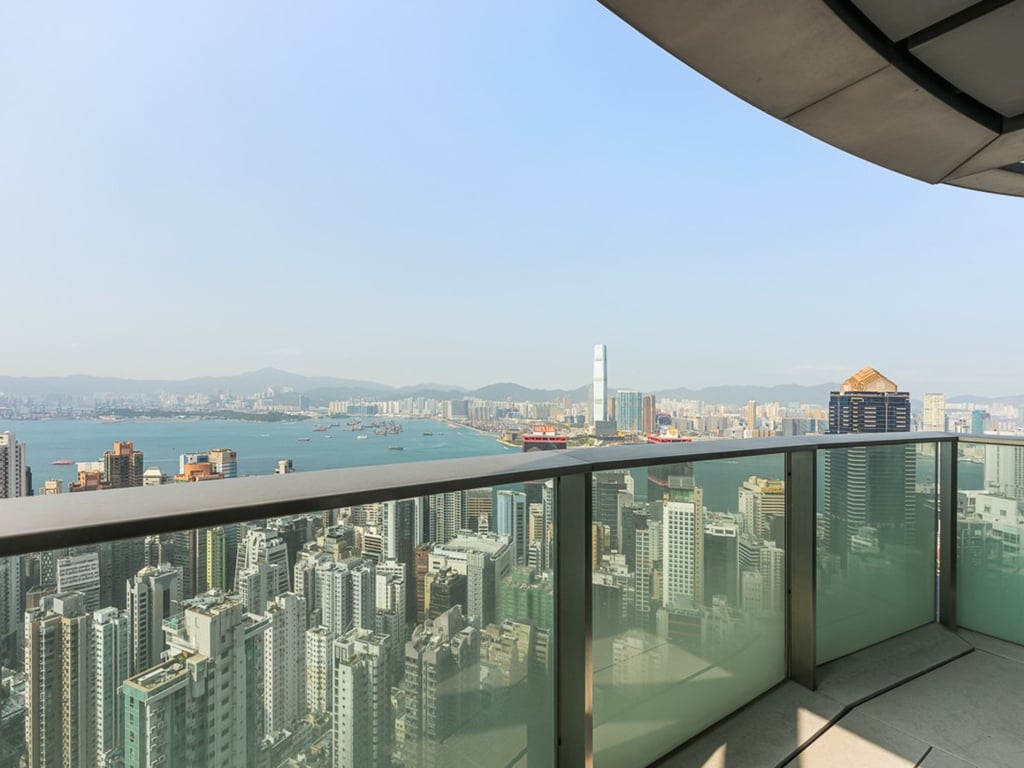
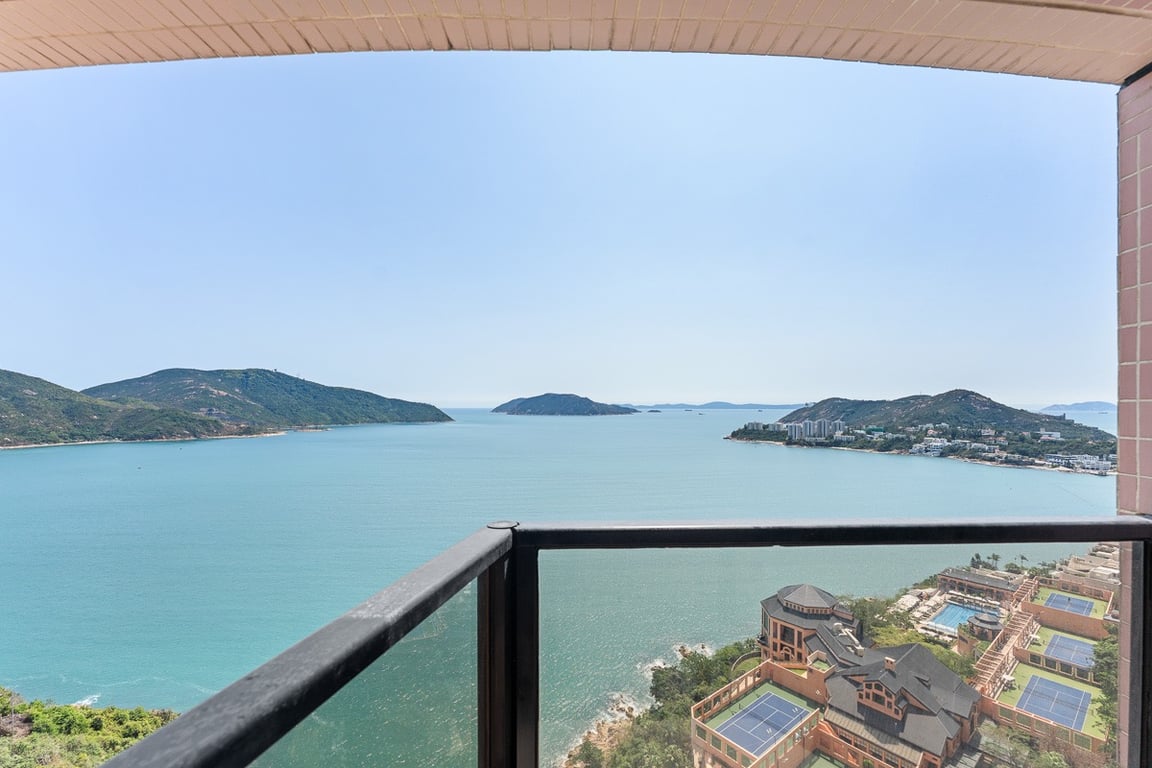
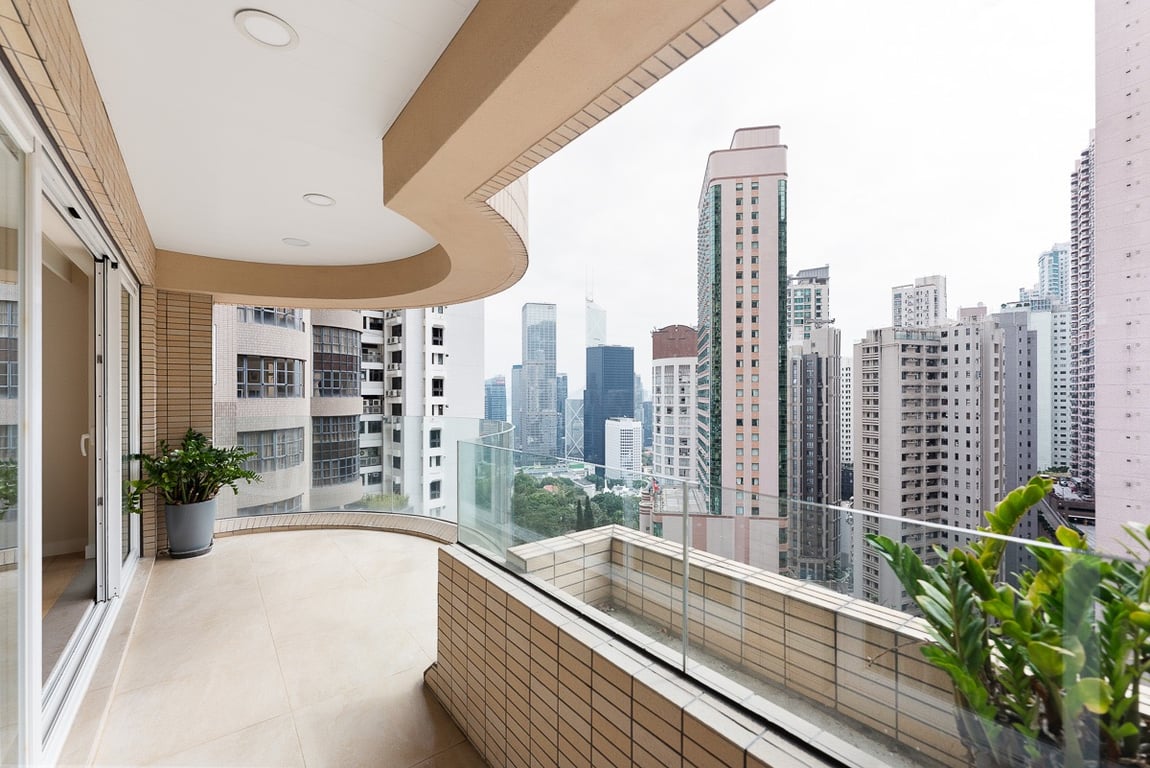
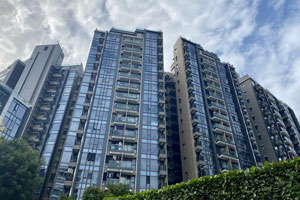
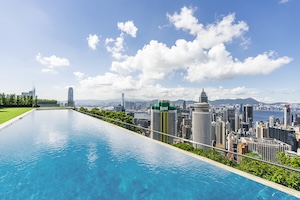
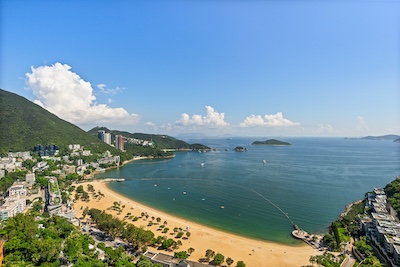
Key buildings in Central Mid-Levels (including Branksome Grande, Aigburth, and Tregunter) and the South Side are fully occupied with lengthy waiting lists. Competition near international schools on the South Side is particularly fierce — clients frequently bid sight-unseen and above asking prices. Signature buildings such as 101, 109, and 127 Repulse Bay Road routinely attract 3–5 bidders per available unit. We expect South Side rentals to rise a further 15% over 2026, with Mid-Levels rentals increasing by around 10%.
February 2026 has solidified the narrative of a maturing upcycle. As price appreciation sustains and transaction volumes expand, the market is successfully transitioning from a post-downturn recovery into a phase of disciplined, balanced growth. For discerning investors, these early-year indicators suggest that strategic engagement within high-conviction segments remains poised to yield superior returns throughout the remainder of 2026.
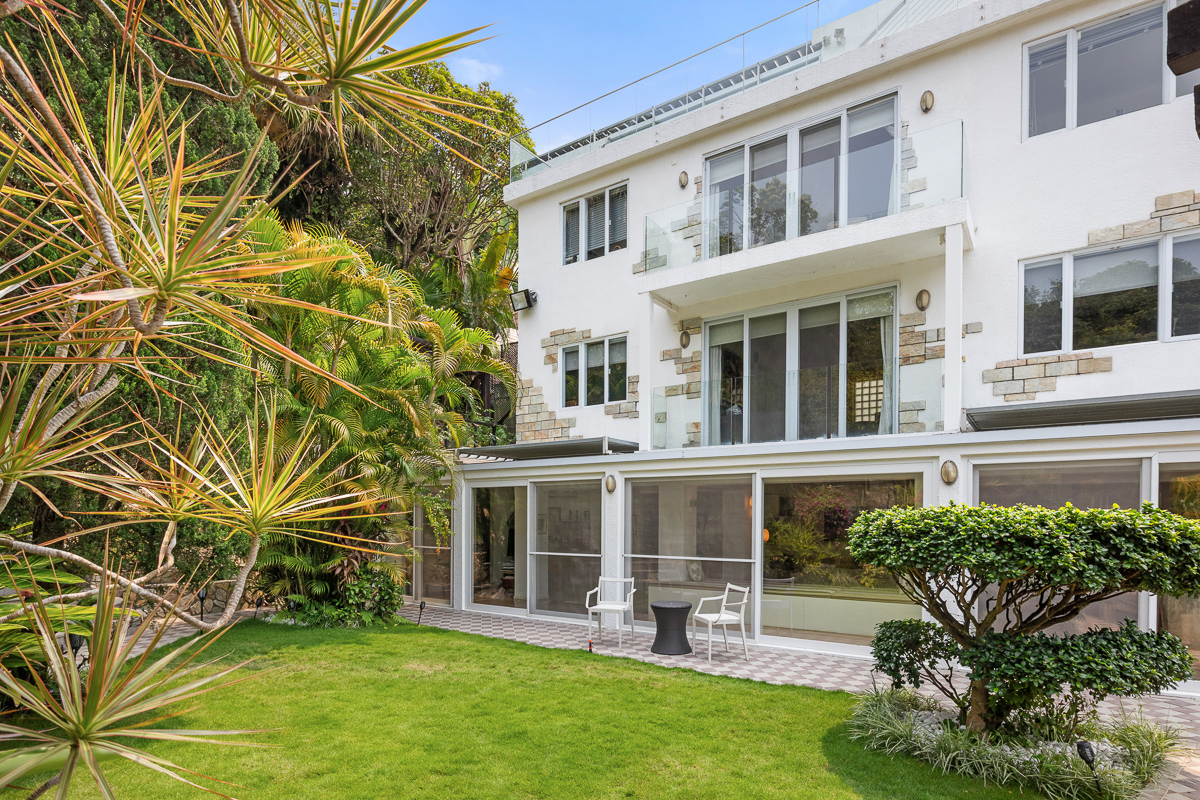
2026 Hong Kong Property Market Outlook
Consensus forecasts for the full year remain constructive. Transaction volumes are projected at 65,000–70,000+ units, with primary sales potentially exceeding 20,000 units for the second consecutive year and secondary sales approaching five-year highs.
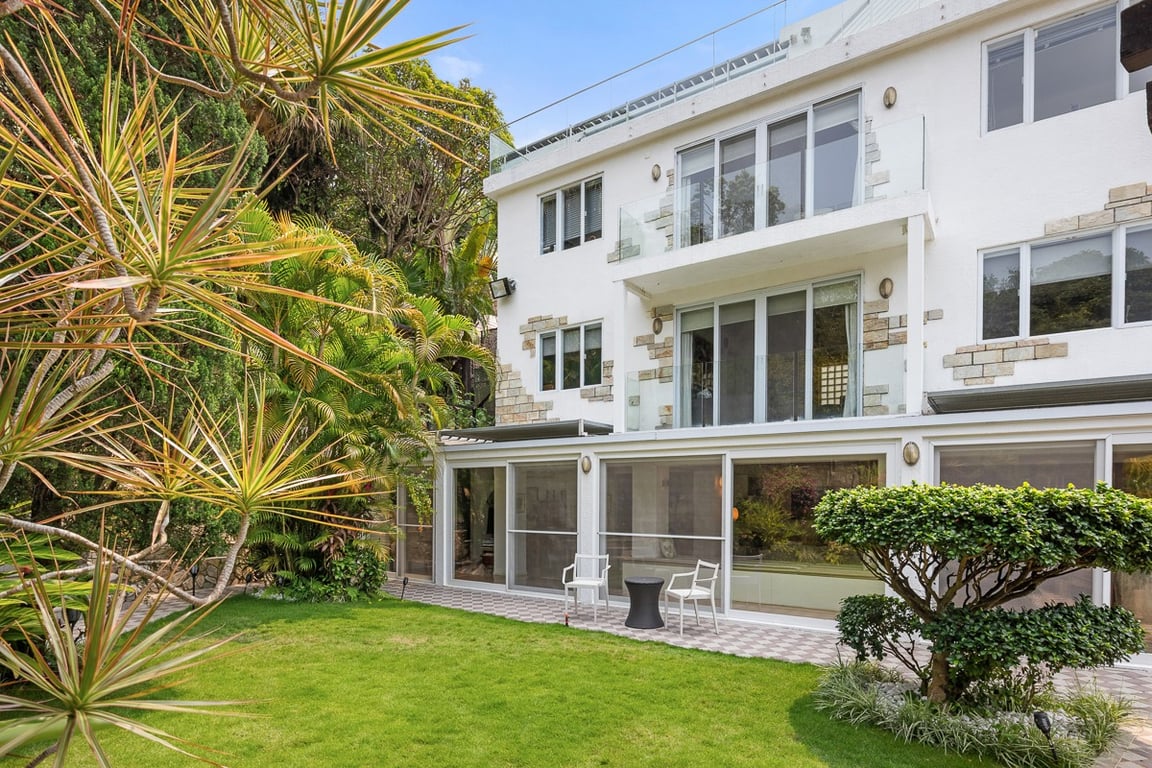
Price growth expectations range from 3–5% overall to 5–10% in niche segments such as townhouses. Rental growth, particularly in high-end Hong Kong Island segments, is forecast to stay strong. Supply constraints through 2027, combined with diversified demand from local buyers, mainland talent, and returning expatriates, position the market for steady expansion in the remainder of 2026.
Summary and Advice for Buyers and Investors
April 2026 positions Hong Kong’s residential property market in a maturing recovery phase. Transaction volumes have rebounded robustly, led by primary sales and mass-market demand, while prices consolidate with selective gains. Purchaser profiles show broad local participation alongside strong mainland interest and returning expatriate buyers.
Structural fundamentals — tightening supply, robust rental demand, and policy stability — support a positive full-year outlook of moderate price appreciation and elevated activity.
At Habitat Property, we recommend focusing on well-located, affordable-to-mid-tier assets in neighbourhoods with tight supply for resilient performance through the remainder of 2026. Whether you are a first-time buyer, upgrader, investor, or relocating to Hong Kong, our team can help you navigate current opportunities in the sales and rental markets.
Contact Habitat Property today for personalised advice on Hong Kong residential property investments, South Side rentals, Mid-Levels properties, or luxury homes.