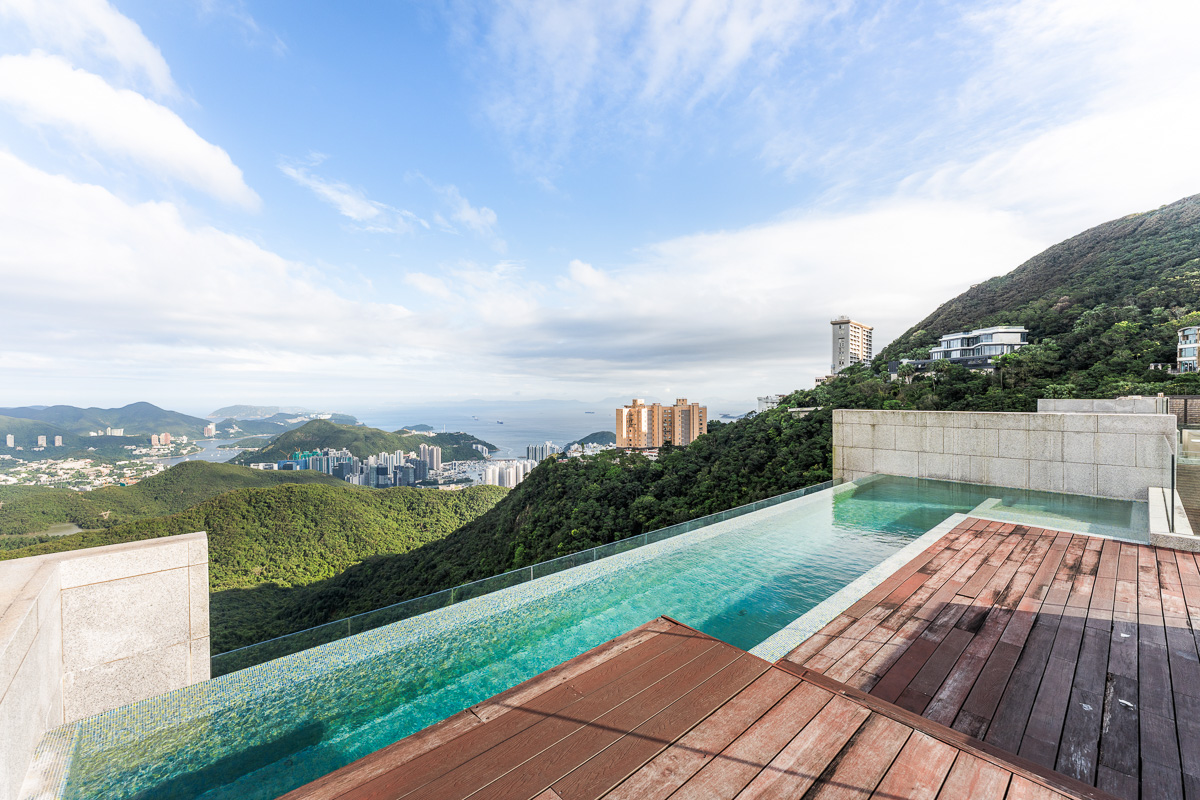
Looking back at 2025, the Hong Kong property market staged a modest but stable recovery, finally turning the corner after a prolonged downturn since late 2021. Supported by interest rate cuts (aligned with the US Federal Reserve), renewed buyer confidence, and the lingering benefits of the 2024 extra stamp duty removals, the market saw rising transaction volumes, price stabilisation, and shifting buyer dynamics.
Prices bottomed out in mid-2025, with overall home prices rising around 3% year-to-date by December, while rentals reached near-record highs with 3-5% growth, especially in the premium segments.
Residential transactions achieved a four-year high of approximately 62,000 units (up ~17% YoY), driven by local end-users, returning investors, and a strong resurgence of mainland Chinese buyers. The ultra-luxury segment reflected high confidence from high-net-worth individuals (HNWIs), particularly mainland buyers, with several headline deals: HK$1.1B for 2 units at Henderson’s The Legacy (amid record-setting sales at the project, including a HK$880M duplex that became Hong Kong's priciest residential unit), HK$1.088B for 1 Gough Hill Road on The Peak, and the sale by Swire Properties of two ultra-luxury houses in Deep Water Bay for HK$2.2B (HK$147,010/sf) to JD.com founder Richard Liu—one of the year's standout luxury residential transactions.
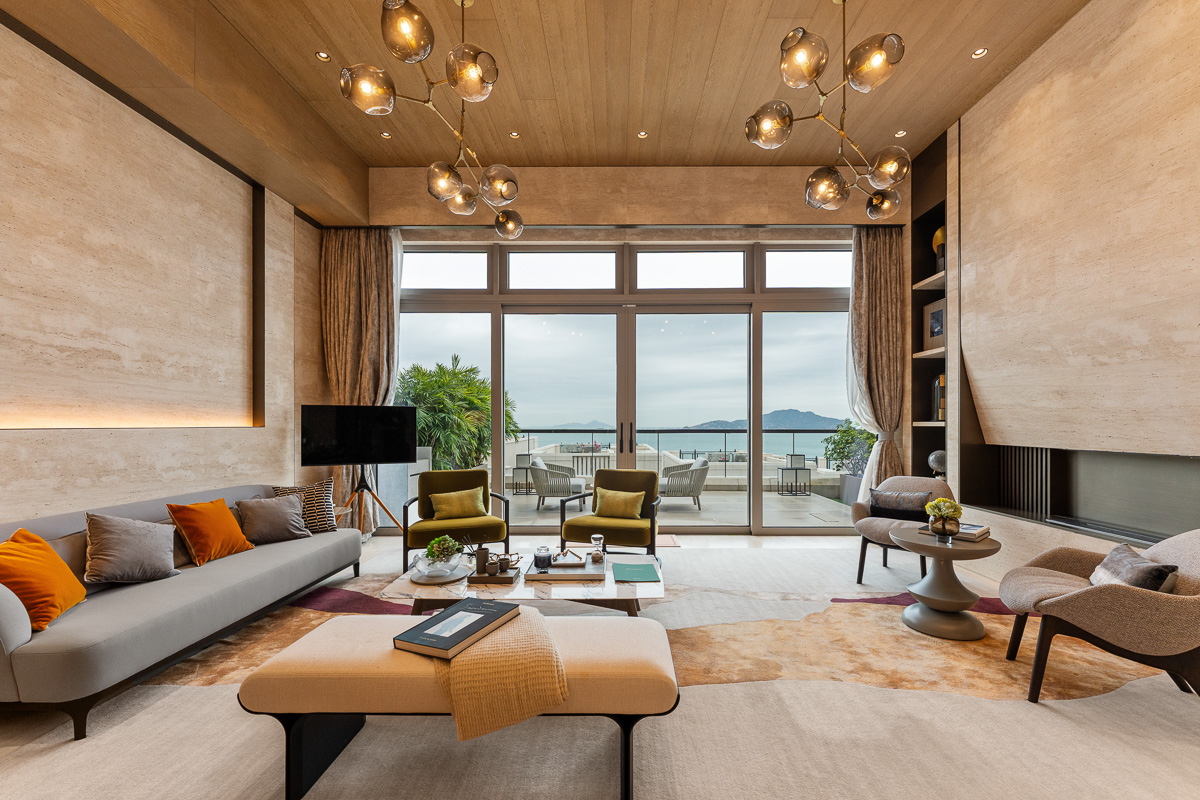
As we enter 2026, transaction volumes are expected to stabilise with continued low borrowing costs, policy support, and demand from local and mainland buyers. Residential prices are forecast to rise between 5-15%, while commercial sectors show mixed but improving trends, supported by investments from Chinese tech giants. JD.com reportedly acquired a 50% stake in CCB Tower for HK$3.5B from Lai Sun Development in December, and Alibaba and Ant Group jointly acquired the top 13 floors of One Causeway Bay from the Mandarin Oriental Group for HK$7.2B in October.
Residential sales volumes were a bright spot, with monthly figures often exceeding 5,000 units—a sustained level not seen since before the slump. Land Registry data confirms total residential transactions at ~62,000 units for the year (Primary ~20,564 units, up 22% YoY valued at HK$225.6B, up 8.2%; Secondary ~41,000+ units, up ~15-18%). Overall property registrations (including commercial) reached around 80,702—marking a significant four-year peak.
The first 10 months of the year recorded a 20.3% YoY increase in transactions, with a cumulative value of HK$416.94B (up 14.4%). December closed strongly at 5,883 residential deals, a 43.4% YoY surge. Primary sales accounted for approximately 33% of the volume, while the secondary market comprised 67%, highlighting end-user demand, developer clearances and lower mortgage costs.
2025 Purchaser Profiles:
Diversification and Mainland Influence
A key shift in 2025 was the surge in mainland Chinese buyers, leveraging stamp duty removal and talent schemes. This group dominated the mass, mid-tier, and luxury segments—80% of certain high-value deals brackets —utilising Hong Kong as a strategic hedge against mainland volatility. In terms of proportions, mainland buyers (often identified by Mandarin pinyin names) accounted for approximately 22-24% of total residential transaction volume in 2025 (e.g., 24% in the first eight months), rising to ~30% of total market value. Their share was even higher in specific segments: 30-32% of primary market deals (e.g., 31.6% in November) and over 60% at specific new launches in areas like Kai Tak. This translated to around 14,000 transactions for the full year—a 20% increase from ~11,638 in 2024—marking a new record. While the percentage share remained similarly stable compared to late 2024, the absolute volume and dominance in the premium sector grew significantly, driven by policy easing and favourable economic factors.
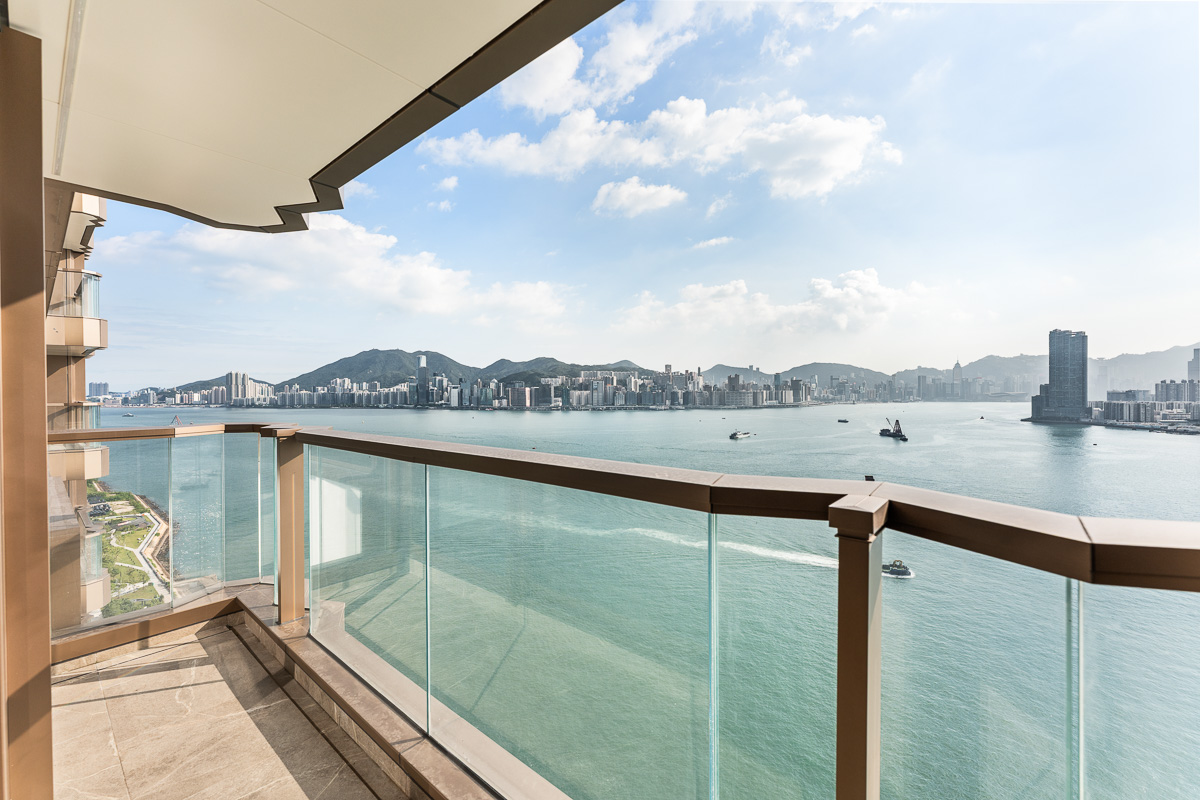
Local owner-occupiers—first-time buyers and upgraders—remained the core, drawn by discounts and easing rates. Premium projects like The MVP in Mid-Levels West sold out strongly. The ultra-luxury market continued to attract HNWIs, highlighted by landmark transactions such as HK$883M Mid-Levels duplex. This created a more internationalised market, with resilient mainland demand effectively balancing local market trends.
2025 Leasing:
Stabilisation with Key Districts in Demand
The leasing market recovered modestly in H2 2025, with transactions increasing 5-8% YoY. Districts like Mid-Levels, The Peak, and Southside saw 2-8% rental upticks, driven by returning international expats and an estimated 100,000 Mainland Chinese who migrated to Hong Kong via the Top Talent Pass Scheme and the Admission Scheme for Mainland Talent and Professionals.
Demand for short-term and co-living arrangements rose among young professionals and expatriates, boosted by visa extensions for Mainland and overseas talent. This supported an overall rental growth of 3-5%, pushing levels to near-record highs by year-end.
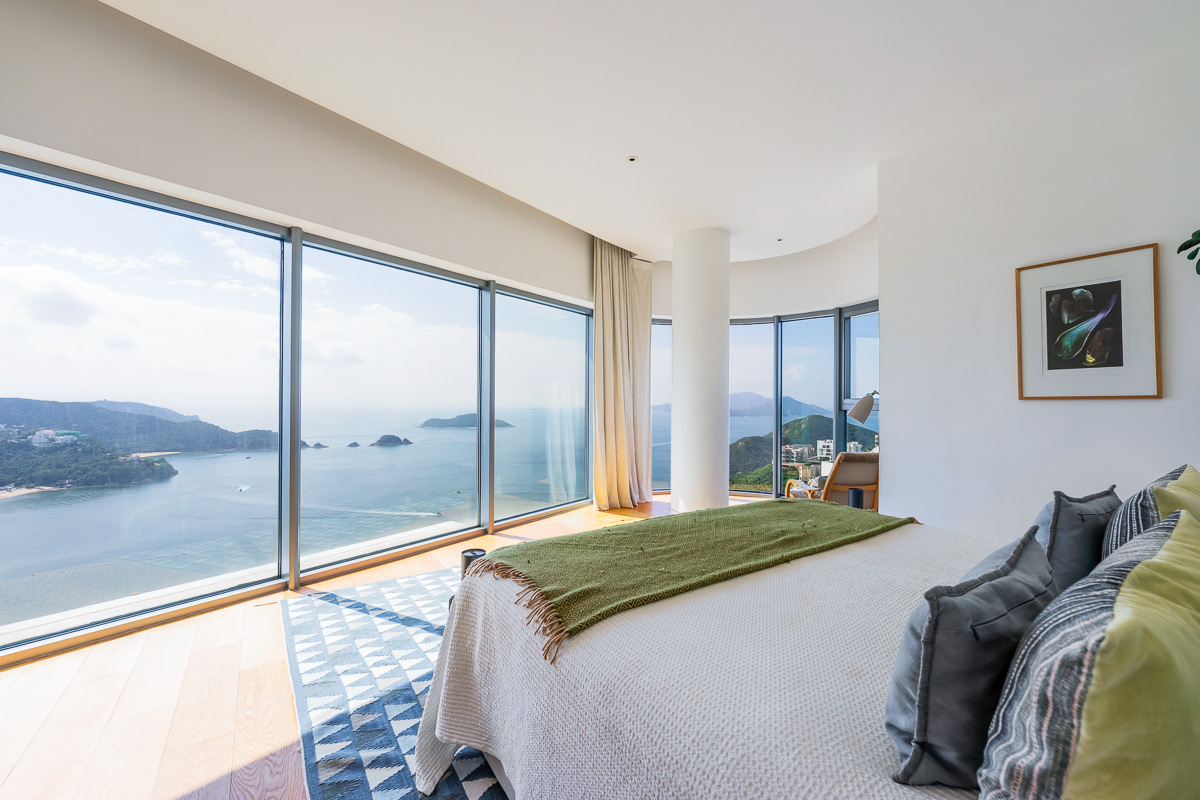
2026 Outlook:
Continued Demand and Moderate Growth
Momentum is expected to carry into 2026, with transaction volumes projected to trend modestly higher, backed by constrained supply, favourable policies and potentially falling interest rates. Local and Mainland buyers will dominate the luxury sector, particularly in prestigious locations such as the Peak, Central, Mid-Levels and Southside, where supply remains limited.
Leasing remains resilient, with rentals—already at historic highs—projected to rise by 3-5% (with luxury assets seeing gains of up to 5%), driven by expat returns and Mainland relocations. The market's growing internationalisation, led by Mainland influence, will continue to reshape demand patterns.
While geopolitical and economic risks could moderate these gains, analysts anticipate residential prices to rise between 5-15%, signalling the start of a sustainable upcycle.